




Properties in 6 Months
Suburb Selection System
Property Selection Framework
Most agencies start with the brief. Our team starts with the portfolio objective. What does this acquisition need to deliver and why does Tasmania serve that purpose better than anywhere else right now?

We do not assess Tasmania in isolation. Our team monitors it alongside Victorian and New South Wales regional markets simultaneously. We identified George Town and Devonport before mainland buyer activity confirmed the thesis. Clients who moved with us then are sitting on results that reflect early cycle entry, not late market enthusiasm.

EGS applies 16 data factors to evaluate suburb potential and 17 data points to assess individual properties. In Tasmania, that means quantifying vacancy pressure, infrastructure commitment, owner occupier demand, rental depth and entry price yield ratios before making any recommendation. The same system managing our own portfolio manages every client recommendation.

With days on market at 20 in Hobart and Launceston, speed and agent relationships are the deciding factor on quality stock. Our team sources the majority of Tasmania acquisitions before properties are publicly listed.
Every property recommended must meet one standard. Would we include it in our own portfolio? That filter removes mediocre stock before it ever reaches a client's shortlist.
Settlement is a milestone. Rental improvement guidance, equity reviews and next acquisition planning continue as your position evolves. The goal is always the portfolio, never the transaction.

Strategy Conversation
We start with your goals, borrowing capacity, existing holdings, risk profile and timeline. If Tasmania fits the brief, we establish exactly what this acquisition needs to deliver before any location is assessed.

Location Identification
We apply 16 data factors across Hobart, Launceston and Devonport to identify where your strategy and the current cycle align. The question is never whether Tasmania is good in general. It is which part of it serves your portfolio objective right now.

Property Sourcing
Properties are sourced across on-market, pre-market and off-market channels and assessed against your strategy before you see them. You review a curated shortlist, not a portal scroll.

Valuation and Price Assessment
A comparable sales analysis establishes a defensible ceiling price before any offer is made. What comparable properties have actually achieved, not what the vendor believes this one deserves.

Due Diligence and Negotiation
We assess zoning, overlays, title, building condition, rental evidence and flood or bushfire risk before committing. Negotiation proceeds from a defined ceiling price with a clear walk-away point. No emotion. No upward drift.

Settlement and Ongoing Portfolio Support
Rental improvement guidance, equity reviews and next acquisition planning continue after settlement. One transaction is never the goal. A compounding portfolio is.
Hobart is Tasmania's deepest and most liquid market. In May 2026, HtAG Analytics ranked seven of the state's top ten investment suburbs in Greater Hobart. The eastern shore leads: Risdon Vale (typical price about $567,000, gross yield 4.7%) and Rokeby (about $698,000, 4.2%). Inner suburbs such as Lenah Valley and New Town cost over $900,000 and yield closer to 3.6% to 3.7%, so they suit long-hold growth plans better than cash flow.
Launceston is where our research finds the strongest balance of entry price and rent. HtAG ranked Newstead third in Tasmania in May 2026 (typical price about $762,000, rent about $628 a week, gross yield 4.3%), with Norwood also in the top ten. Canstar's July 2026 list of regional suburbs by annual median value growth, using Cotality data, was led by Launceston suburbs including Waverley (+28.1%), Newnham (+24.3%) and Mowbray (+21.7%). Growth that fast has already lifted prices, so entry price discipline matters.
Devonport is the consistent performer. HtAG's May 2026 data shows a typical price of about $603,000, rent around $500 a week and a gross yield of 4.3%, with prices compounding at 8.7% a year over a decade and rents up 8.6% a year over five. It also leads the top ten on non-residential building approvals per capita, an early signal of job growth. The catch is that Devonport sits in the lowest socioeconomic band (IRSAD decile 1), which means more exposure to downturns and tenant arrears. Street, tenant profile and building condition matter.
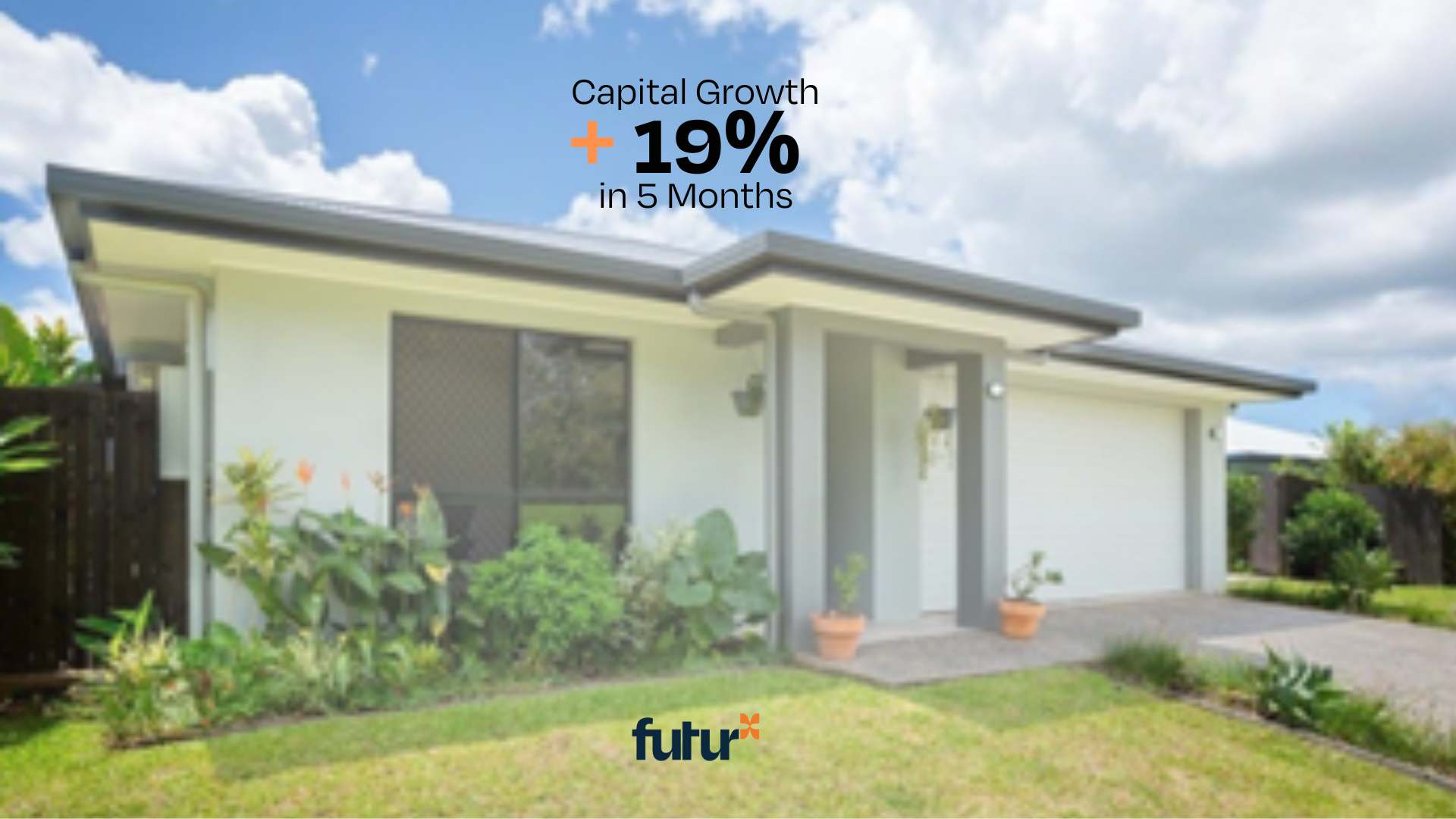
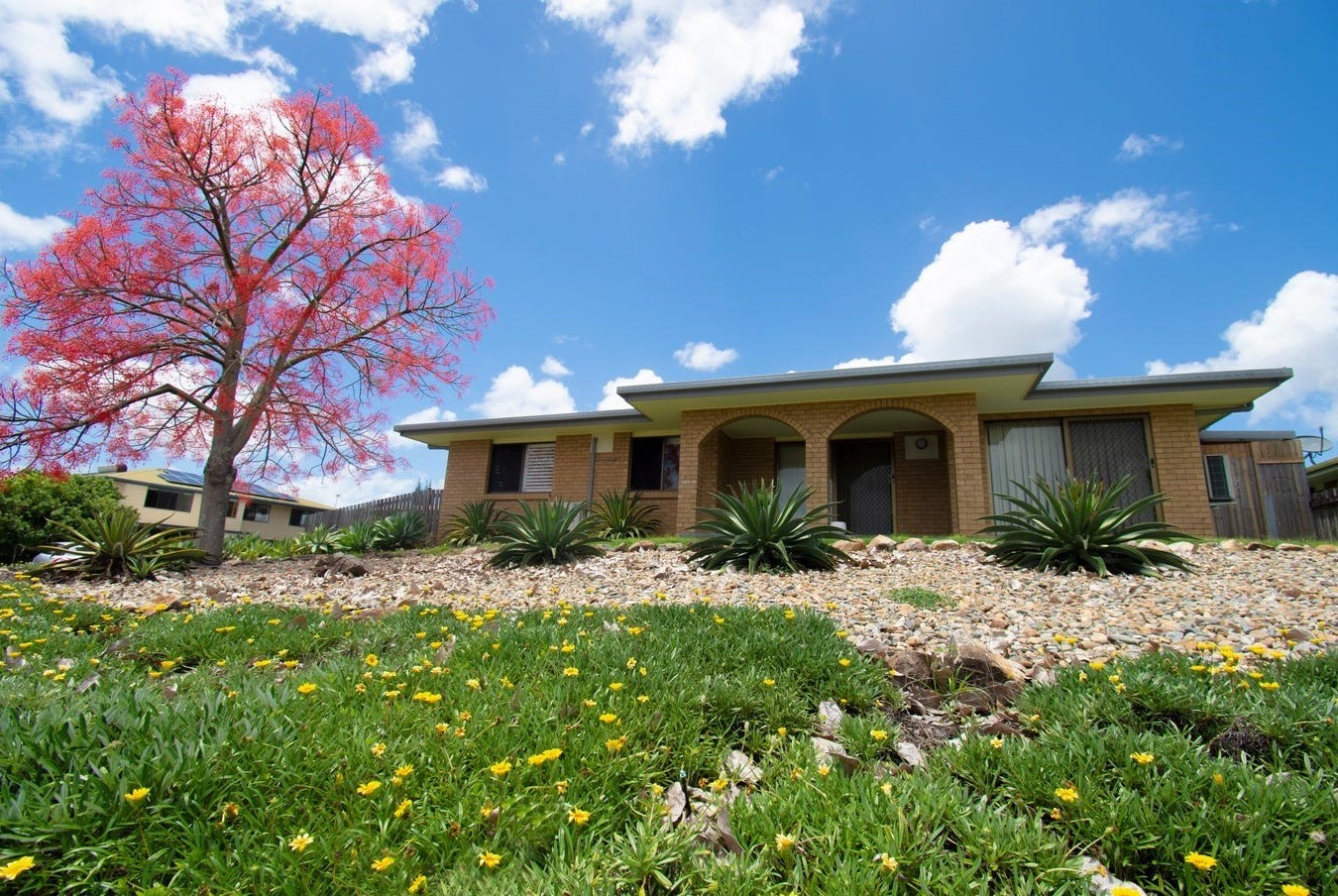
A selection of investment properties Futurx has secured for clients across Tasmania in 2026.


Vacancy rates, yields, tenant profiles and growth trajectories vary significantly across regions and within cities. Buying Tasmania on principle without understanding which part of it you are buying is expensive.
By the time investor activity was up 46.4% and mainland buyers were up 43.6% in 2025, the early entry window had already closed for most. The market that feels safe is the market where the price advantage has already been priced in.
Days on market at 20 in Hobart and Launceston means mainland buyers without local relationships and a clear ceiling price are consistently missing the right stock to better-prepared buyers.
Heritage overlays in Hobart's inner suburbs, flood zones in coastal areas and bushfire risk in regional pockets vary considerably across the state. Missing these during due diligence restricts renovation potential, affects insurance and eliminates exit strategies the investor was counting on.
A Tasmania acquisition that looks strong today can reduce borrowing capacity and slow the next purchase if it is structured incorrectly. Every recommendation we make considers what this property enables next, not just whether it stacks up in isolation.
A purchase may look good today but still reduce your ability to buy again. We assess how each acquisition affects your future borrowing capacity and portfolio direction.
Sud Setia founded Futurx after building his own property portfolio using the same principles that now guide the agency’s work: data-led suburb selection, early-cycle market entry, disciplined due diligence and long-term portfolio thinking.
His journey was not built on luck. It was built through research, mistakes, patience and action.
That founder experience is central to how Futurx works today. Sud’s belief is simple: property is not just brick and mortar. It is a people industry. The right property can change a family’s future, but only when it is bought with strategy and discipline.
Futurx was built to help busy investors do what Sud and Disha once did for themselves: enter the right markets early, move with confidence and build real wealth without the guesswork.
A buyers agent works only for the purchaser. For Tasmanian investors, Futurx builds the strategy, shortlists suburbs using market data, sources properties including off-market ones, checks the building, title and rental evidence, negotiates the price and supports you through to settlement.
It can be, but it depends on where and when you buy. Regional vacancy was about 1.7% in mid-2026 and regional rents grew 10.1% in the year to June 2026, At the same time, entry price matter more than it did a few years ago. We only focus on the strongest locations in TAS, focus on entry price, yields with no compromise on due diligence.
Yes. We work with agent relationships in Hobart, Launceston and Devonport to find properties before they reach the major portals. Off-market access helps, but every property still has to pass the same price and due diligence checks.
Futurx explains its fee structure clearly during the discovery process so you can decide whether the service is the right fit.
Yes. Futurx supports interstate investors with remote-friendly research, inspections, reporting, negotiation and purchase support.
Yes. Negotiation is a core part of Futurx’s service. We assess comparable sales, define a ceiling price and negotiate on your behalf through private treaty or auction situations.
Timelines vary depending on market conditions, brief complexity and available stock. It usually ranges from 2-8 weeks.
Futurx provides ongoing portfolio support after settlement, including reviews and strategic guidance as you consider future acquisitions.
Yes. Many of Futurx's clients are medical professionals and specialists, high-income earners with limited time to research and negotiate property. We handle the entire acquisition process so you can focus on your work while your portfolio grows.
